Run Devil Run is one of Paul McCartney’s best albums. It was borne of extraordinary pain, but it is not a meditative reflection on loss. It is, instead, a ferocious, pure rock ‘n roll record, a soul-startling eulogy so well-honed that only three McCartney originals are needed. Opening with a croon and concluding with a shout, it’s as inspired an LP as the man has ever made.
That inspiration came at a terrible cost.
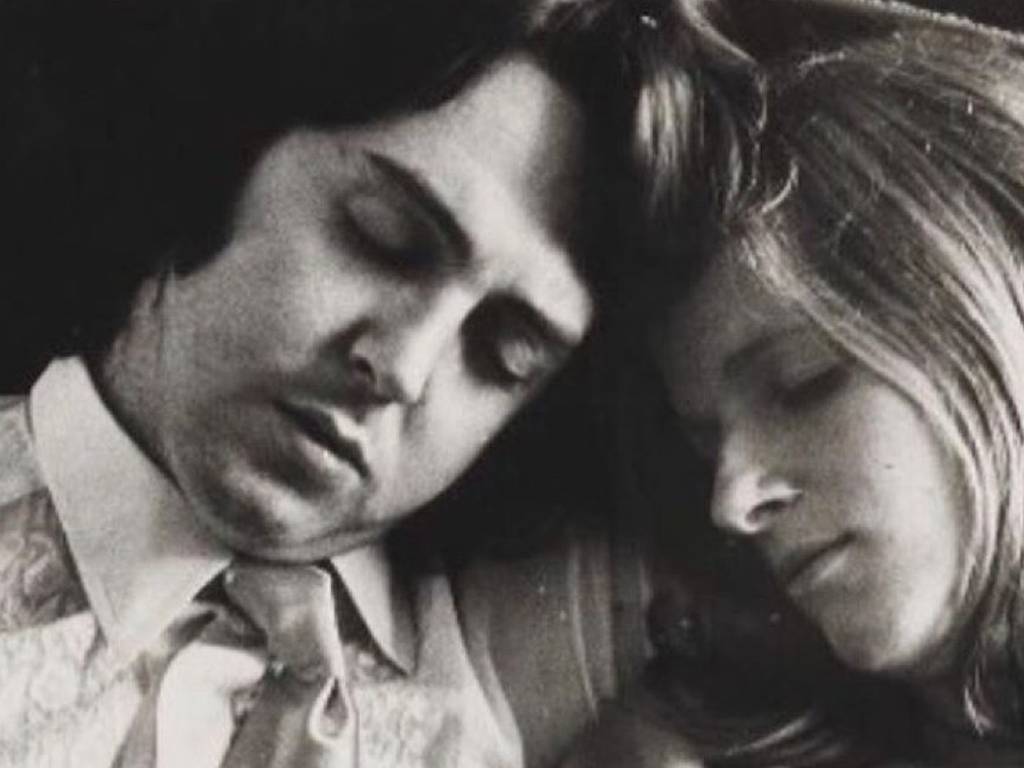
After Paul lost his wife Linda to cancer, in April of 1998, he spent a secluded year in mourning. Prior to her death, he’d experienced a creative rebirth of sorts—the 1997 release Flaming Pie was a rootsy collection mostly recorded in the wake of The Beatles Anthology. Unlike much of his work after 1982’s Tug Of War, Pie doesn’t try too hard. It’s an imperfect LP—there are times when it doesn’t try enough—but it has real promise.
As one might expect, that promise, and most things, fell by the wayside after Linda’s death. Reflecting on his grief a year later, Paul noted, “People have said to me one of the things to get over a tragedy is to stay really busy, really busy, but I thought, no, I am not going to do that. I see that one but it’s just too easy. It’s a bit like denial. So, I thought, well, for at least a year I am not going to do that. So I didn’t.”
True to his word, it was only after that year that sessions began for Run Devil Run. McCartney had released a rock-covers album in the late 1980s, the scarely-circulated CHOBA B CCCP, but that little-known effort did not deter him from another go at the concept. Time was booked at Abbey Road Studios, and producer Chris Thomas was brought in to co-helm the project. Thomas had a history with McCartney, having co-produced 1979’s Wings effort Back To The Egg, in addition to contributing some uncredited production work all the way back on The Beatles. According to Thomas, McCartney in approaching Run “wasn’t thinking it was going to be the next big record. He was just free to enjoy himself.”
The album’s liner notes bear out this philosophy. “The week before,” per Paul, “[drummer Ian Paice] asked co-producer Chris Thomas ‘Any idea what songs we’re going to do, just so I can do a bit of homework?’ I said no: ‘No homework on this project.’ I really wanted this to be fresh.”
It’s fresh. Run Devil Run begins with a vocal and bassline, both Paul’s, covering a 1956 Gene Vincent title track called “Bluejean Bop.” After about twenty-five seconds, flickering drumbeats brush into the mix, and, not long after that, the album’s secret weapon, Pink Floyd guitarist David Gilmour, makes his presence felt with a blistering solo. The whole thing just sounds great, each instrument in its proper sonic place, the mix clear and fiery. It’s a dynamite way to begin an album.
“She Said Yeah” follows, fairly roaring, a lusty Larry Williams classic punctuated more than once by McCartney giddily exclaiming the title phrase—no doubt very aware that he’s singing “Yeah, yeah, yeah”—and bellowing a happy conclusion: “She said ‘C’mon, baby, I wanna make love to you too!'”
The entire album is rich with moments that fulfilling. “All Shook Up” becomes something wholly Paul. Those three originals—“Try Not To Cry,” “What It Is,” and the rip-roaring title track—make for stunning fits. “No Other Baby” and “Lonesome Town,” presented back-to-back as the album’s only ballads, cannot help but call to mind McCartney’s lost love, not least as his voice strains effectively throughout “Town.” The Carl Perkins ambler “Movie Magg,” on the other hand, is impossibly charming, as is the accordion-anchored, zydeco-flavored rendition of “Brown Eyed Handsome Man.” Each and every track works. “Coquette,” harkening to Fats Domino’s arrangement of a 1920s foxtrot. “I Got Stung,” another searing Presley reimagining. “Honey Hush,” one of the album’s toughest performances; “Shake A Hand,” a first-class pleader. All of it coalesces.
The closing track, “Party,” fits the bill, too, but its conclusion is something particularly remarkable. Around the two-minute mark, the track reaches a natural conclusion. The melody slams to a close, leaving guitar reverbation, a twinkling piano, some drum kicks, that irresistible McCartney bass. Paul has more to say, and improvs, the instruments vamping down behind him. “I’m not givin’ in, man! I’m gonna have a party! Yeah! Party, party! Yeah, I’m not goin’ home yet!”
It’s a defiant statement. In the wake of Linda’s death, nobody knew how her widowed husband would respond or cope. “I am privileged to have been her lover for 30 years,” Paul had written in a statement officially acknowledging her death, “and in all that time, except for one enforced absence, we never spent a single night apart.” Their marriage was the stuff of romantic legend, three decades of, by all accounts, devoted wedded bliss. Paul and Linda were “Paul and Linda.” “She was my girlfriend,” he said at her funeral. “I lost my girlfriend.”
You can hear that loss on Run Devil Run. The most thoroughly rock album of Paul McCartney’s fifty years of solo work, it is in some ways also the most revealing. There is no artifice in its composition. The arrangements and execution rise above pastiche. It’s forty-one minutes of real heartbreak, the kind of heartbreak brought by real life, which finds even the most accomplished, talented, beloved and, it must be said, wealthy of us. McCartney, a damned Beatle, could not avoid the devastation of losing his cherished, beloved partner.
What he could do, however improbably, was make the best of it. And so he did.
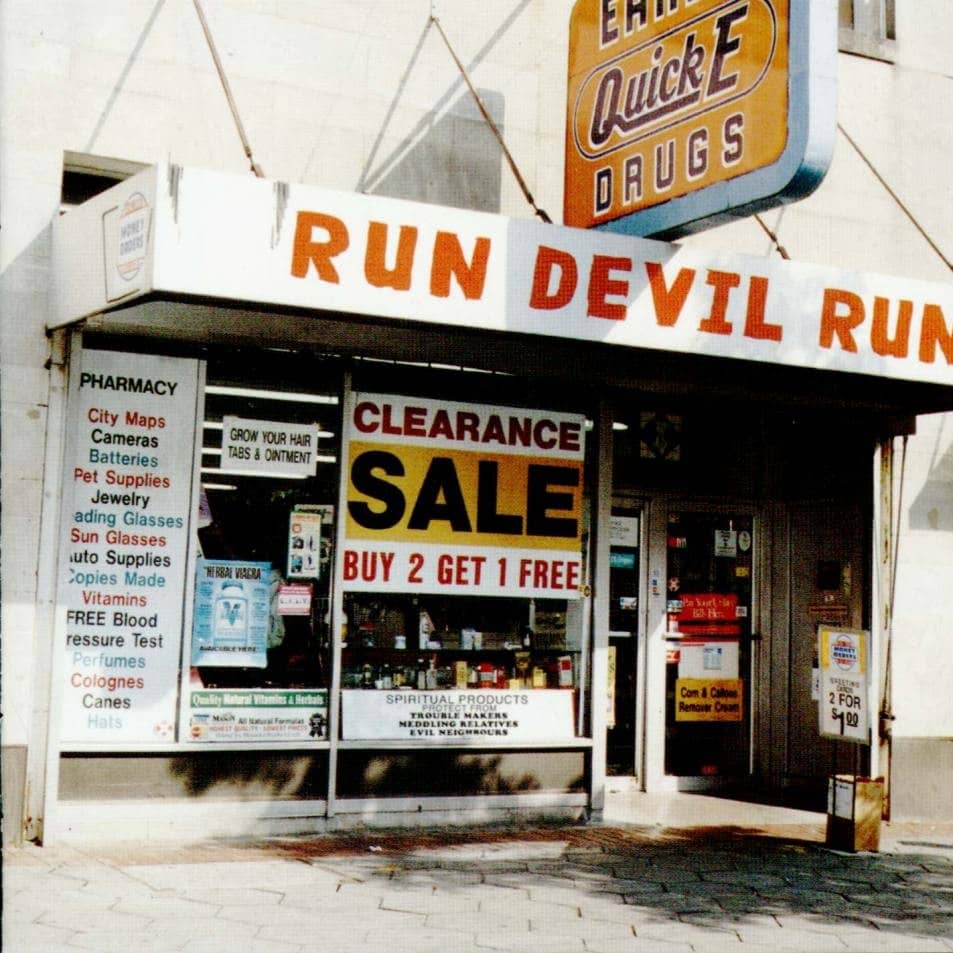
Paul McCartney
Run Devil Run
Released October 4, 1999
 Writers' Loom